How to Train for Your Private Pilot Checkride at a Fort Worth Pilot School
Published by:
Madison Barber
Published on:
Updated on:
Read time:
8 min read
The moment you tell non-aviators you are preparing for your flight test, they picture an interrogation. They imagine a grim examiner waiting in the right seat, ready to fail you the instant your airspeed indicator needle twitches by two knots.
The reality of an FAA practical test is very different. When you train with an experienced pilot school in Fort Worth, checkride day is not an ambush. It is a structured, open-book evaluation where you demonstrate that you can operate as a safe, prudent Pilot-in-Command.
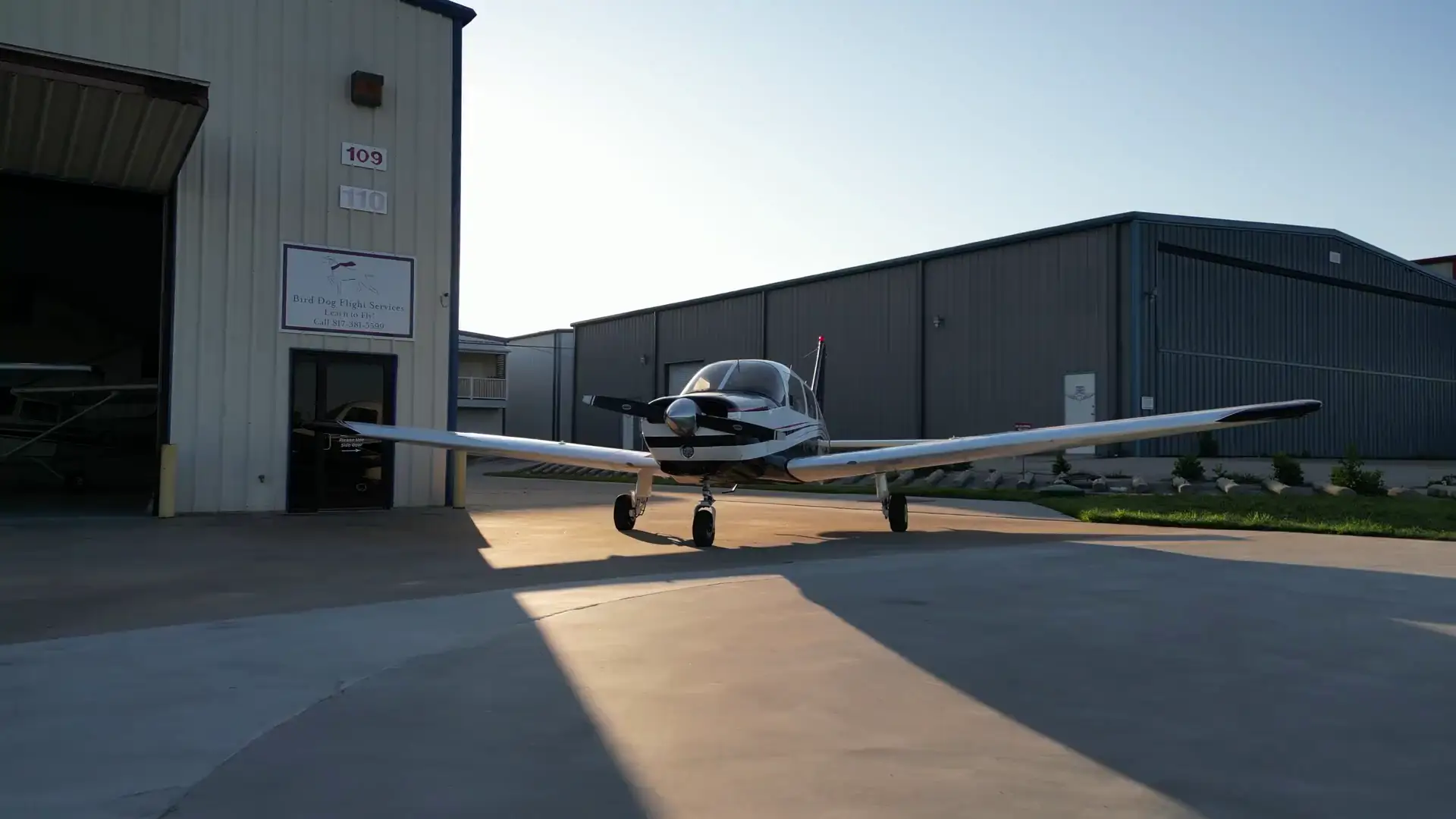
At Bird Dog Flight Services, our practical checkride preparation begins weeks before your test date. We operate out of Hicks Airfield (T67) in North Fort Worth, using a proven phase-check process that turns test day into a routine demonstration of airmanship.
Here is exactly how you prepare for, execute, and pass your private pilot checkride on your very first attempt.
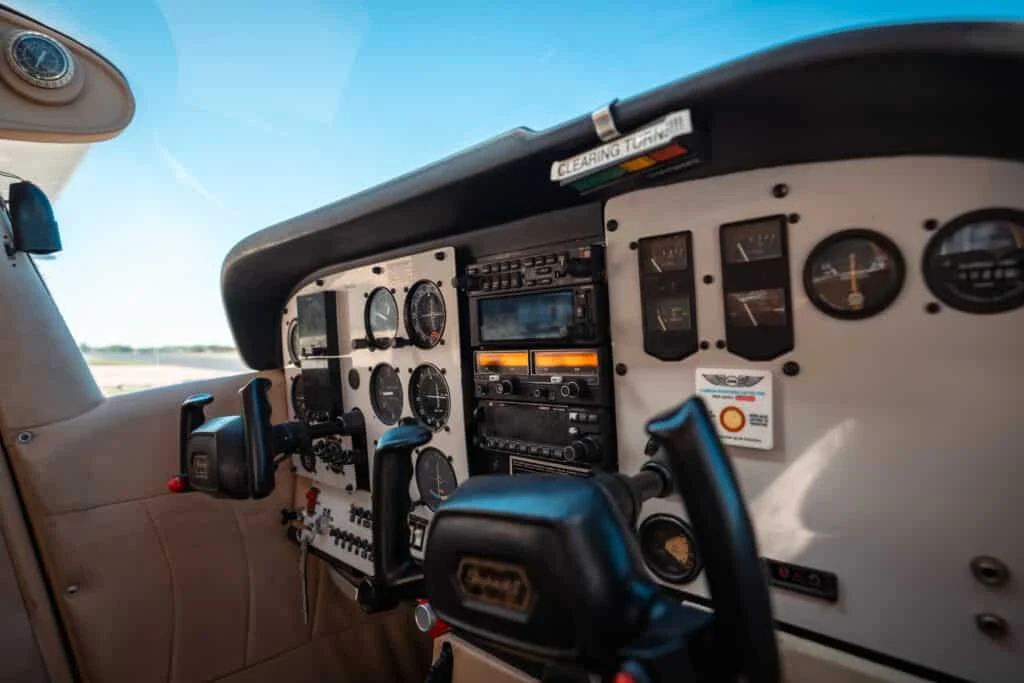
Understand the Examiner’s Open-Book Rubric: The FAA ACS
The single biggest mistake student pilots make is treating checkride prep like a college pop quiz. The FAA does not hide what you will be tested on. Every single task, tolerance, and question is published in the Airman Certification Standards (ACS).
The ACS serves as the contract between you and the Designated Pilot Examiner (DPE). If you perform each required task within the published flight tolerances, the examiner must issue your certificate:
- Altitude Maintenance: Maintain assigned altitudes within plus or minus 100 feet during cruise flight, slow flight, and steep turns.
- Airspeed Control: Maintain target airspeed within plus or minus 10 knots on maneuvers, approaches, and climb-outs.
- Heading Precision: Hold assigned headings within plus or minus 10 degrees.
- Steep Turns: Execute 45-degree bank turns in both directions while maintaining altitude within 100 feet and rolling out on heading within 10 degrees.
When you train at our Fort Worth facility, we review every ACS task item-by-item so you never walk to the aircraft guessing what the examiner expects. For a full breakdown of prerequisites before scheduling your test, explore our Fort Worth private pilot license guide.
Conquering the Checkride Oral Exam
Your practical test always begins on the ground with the oral examination, typically lasting between 1.5 and 2.5 hours. The DPE is not testing whether you memorized the entire Federal Aviation Regulations word-for-word. They are testing your Aeronautical Decision Making (ADM) through realistic scenarios.
The oral exam centers around three core evaluation pillars:
- Cross-Country Flight Planning: You will plan a simulated VFR cross-country flight (often from Hicks Airfield to an airport 100 to 150 nautical miles away, such as Abilene or Tyler). You must explain your checkpoint selection, true airspeed calculations, wind correction angles, and fuel burn reserves under 14 CFR § 91.151.
- Weather Analysis & Go / No-Go Decision Making: The examiner will present raw METARs, TAFs, prognostic charts, and PIREPs along your route. You must determine whether freezing levels, turbulence, or convective activity make the flight unsafe.
- Aircraft Systems & Airworthiness: You must verify that your training aircraft is legally airworthy by reviewing its maintenance logs (annual inspection, 100-hour inspection, transponder check, pitot-static check, and ELT battery expiration).
To review all required regulatory endorsements and medical certificates before test day, consult our private pilot license requirements FAQ for step-by-step guidance.

Conducting Rigorous Mock Checkrides
You should never let your official checkride be the very first time you experience a full-length practical exam.
Having a fresh set of instructor eyes in the cockpit is invaluable:
- Oral Simulation: The check instructor questions you in an unfamiliar briefing room, exposing knowledge gaps in airspace boundaries or aircraft electrical systems.
- Flight Simulation: You fly the complete ACS maneuver sequence, from emergency engine-out field selection to short-field landings over simulated 50-foot obstacles.
- Debrief & Polish: You receive an itemized debrief detailing which maneuvers met ACS standards and which need a half-hour of final polish before you meet the DPE.
This rigorous stage-check preparation builds genuine confidence. By the time our students meet their examiner, they have already completed the flight twice under real-time pressure.
Checkride Day Flight Test Sequence
Once the examiner finishes the oral briefing and signs off your cross-country plan, you head out to the ramp. Take a deep breath: you have already completed the most intensive intellectual portion of the test.
Here is the standard flight profile you will execute over North Texas:
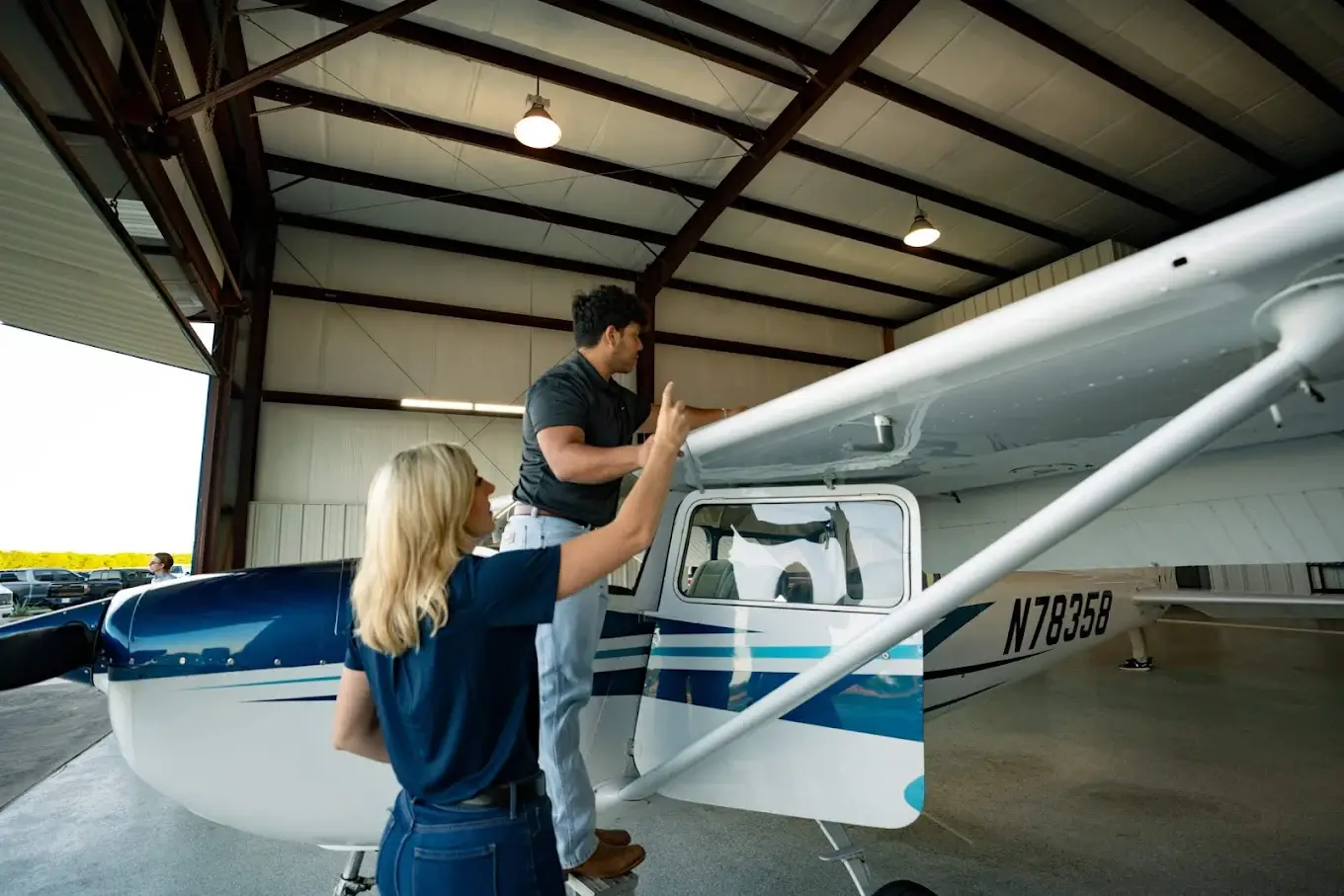
- Pre-Flight & Passenger Briefing: Perform a thorough, unhurried walk-around inspection, fuel sumping, and deliver a standard SAFETY passenger briefing to the examiner.
- Normal & Crosswind Operations: Execute a clean takeoff from Hicks Airfield, maintain centerline, and begin flying your planned cross-country route.
- En-Route Diversion: After reaching your first or second checkpoint, the examiner will simulate an unexpected diversion (e.g., simulated low clouds or an uncontained passenger issue) to test your pilotage and mental math.
- Maneuver Box: You clear the area with two 90-degree clearing turns, then demonstrate slow flight, power-off stalls (simulating an approach to landing), power-on stalls (simulating a departure climb), and steep turns.
- Emergency Procedures: The examiner will smoothly pull the throttle to idle to simulate an engine failure. You immediately establish best glide speed (Vg), pick your emergency landing field, run your cockpit restart flow, simulate 7700 squawk and radio calls, and set up a stabilized approach.
- Takeoff & Landing Performance: Return to the airfield to demonstrate short-field takeoffs, short-field landings, soft-field takeoffs, and a simulated engine-out landing from the traffic pattern.
What Examiners Look for Most: The “PIC Mindset”
Student pilots often believe examiners are looking for mechanical perfection. They are not. Every pilot experiences minor altitude bumps from Texas thermals or a slight heading drift in gusty crosswinds.
What examiners actually care about is how you recognize and correct deviations:
- Acknowledge and Correct: If a sudden thermal bumps your altitude up 60 feet during a steep turn, do not freeze. Verbalize: “Correcting back to 3,500 feet,” and smoothly adjust pitch and trim. Examiners respect active situational awareness.
- Never Guess: If an examiner asks an obscure regulation question during the oral exam, never make up an answer. Say: “I don’t have that specific regulation memorized, but I know it is in FAR Part 91, and I can look it up in under 30 seconds.” A safe pilot knows where to find verified information.
- Conservative Decisions: If crosswind gusts exceed your personal minimums on test day, do not hesitate to tell the examiner you recommend rescheduling the flight portion. Examiners love seeing conservative judgment; it proves you are ready to command an aircraft with your family aboard.
Start Your Checkride Journey at Hicks Airfield
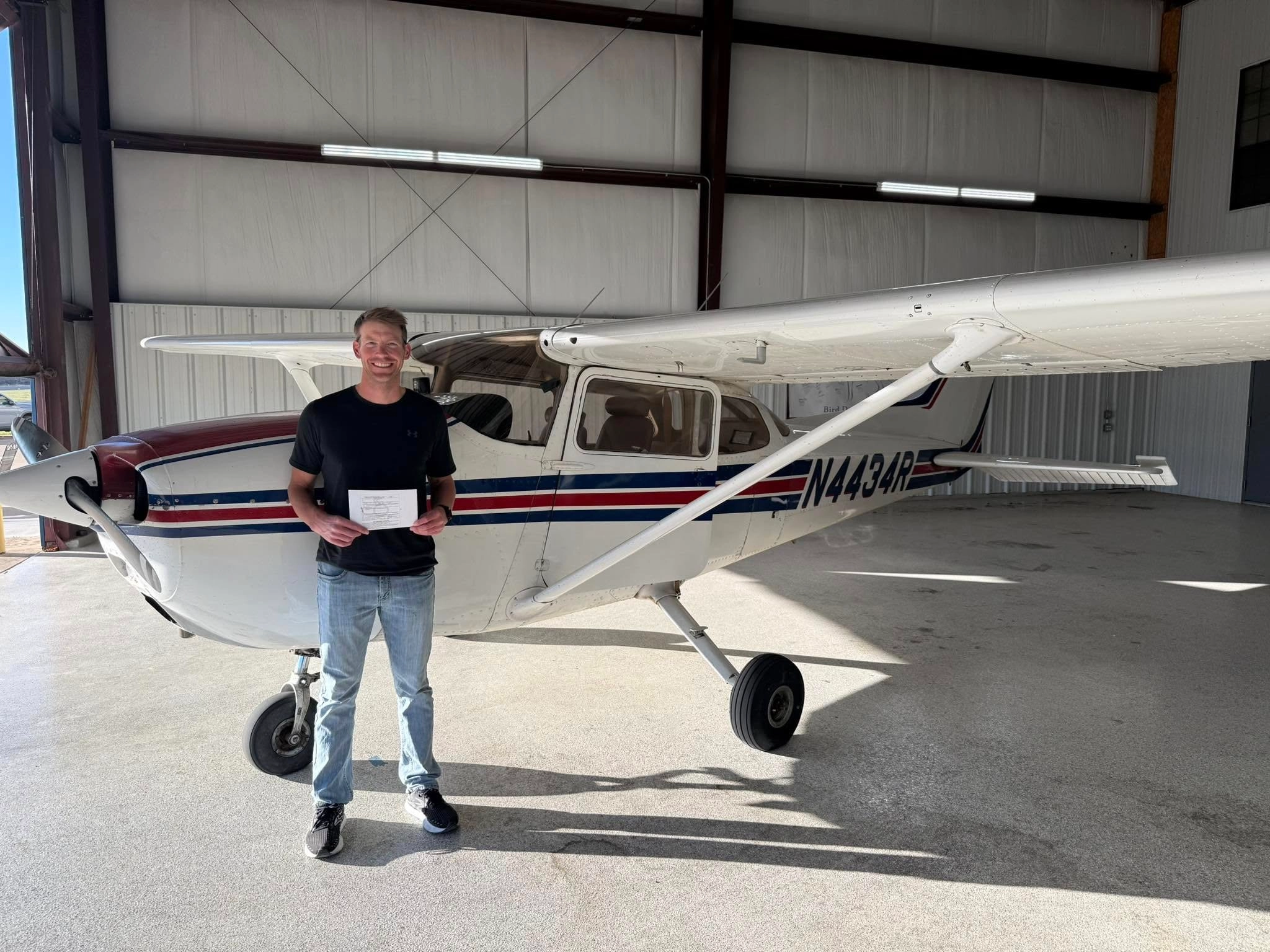
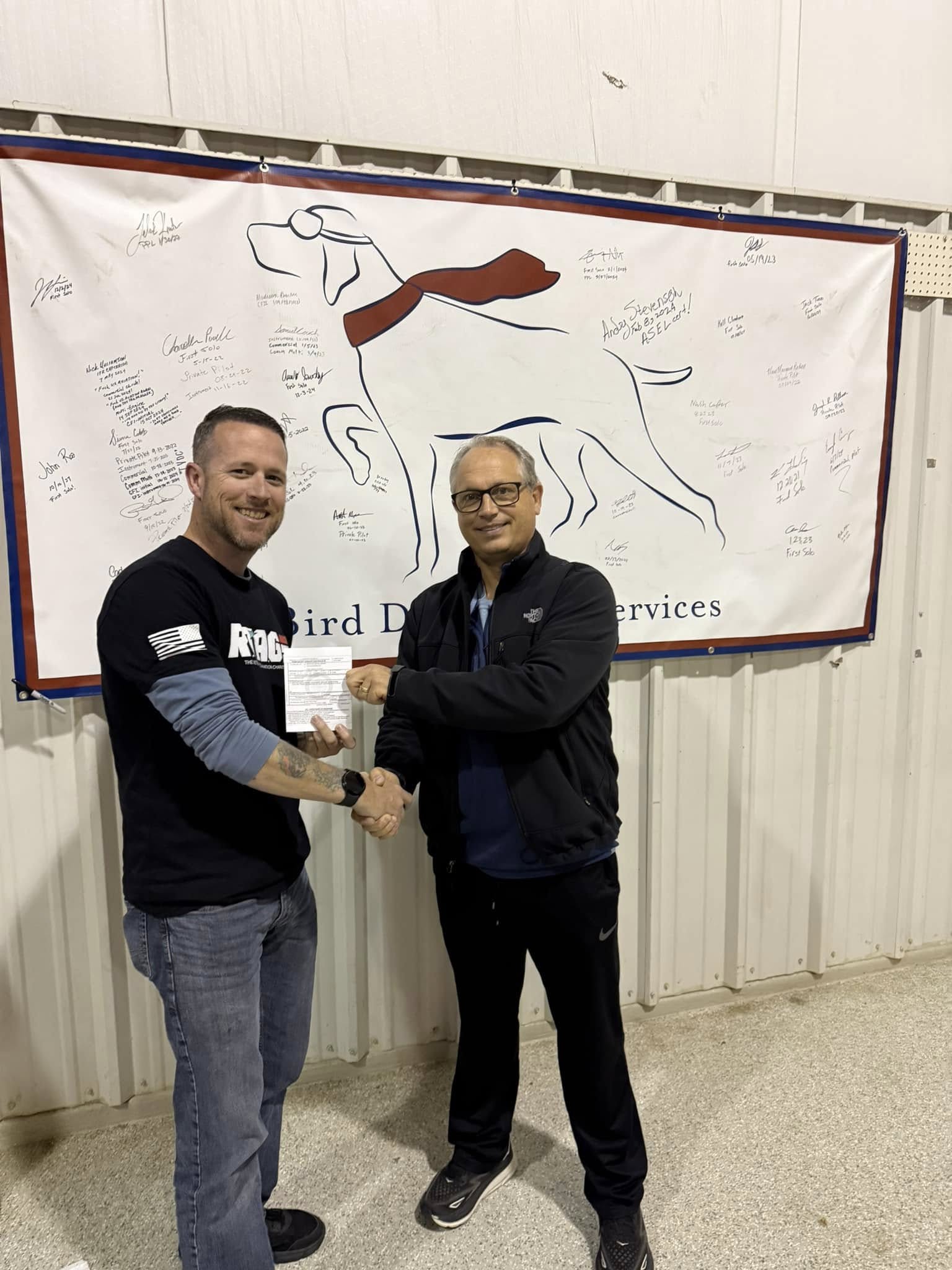
Passing your checkride is a truly life-changing achievement. Stepping out of the cockpit, shaking your examiner’s hand, and holding your new FAA airman certificate changes how you see the world forever.
Whether you want to fly for personal weekend travel across Texas or build toward an airline career, our team at Bird Dog Flight Services provides the dedicated one-on-one flight instruction you need to succeed without wasted flight hours.
To take your first step into the cockpit, schedule an introductory Discovery Flight at Hicks Airfield today and experience professional flight training in Fort Worth with Bird Dog Flight Services.